
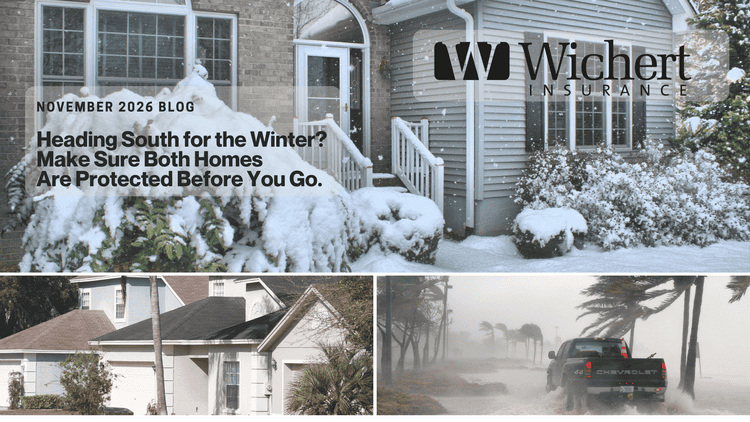
For many Midwesterners, November marks the beginning of snowbird season. As temperatures drop, suitcases get packed, mail gets forwarded, and winter homes in warmer climates start calling.
But before you lock the door and head south, there's something important to add to your departure checklist: your insurance coverage.
Whether you're maintaining a second home year-round, or leaving your primary residence unoccupied for an extended period, seasonal living creates some unique insurance considerations. And the last thing you want is to discover a coverage gap when you're hundreds of miles away.
Here's what to consider before settling into your winter routine.
1. Know What Your Insurance Covers When You're Away
One of the biggest misconceptions about homeowners insurance is that coverage remains the same regardless of how long you're away.
Most homeowners policies provide coverage for certain risks while a home is temporarily unoccupied. However, some policies have restrictions or exclusions that apply after a property has been vacant for a specified period.
For example, certain types of water damage, vandalism, or other losses may be treated differently depending on how long the home has been empty and whether it's considered vacant or simply unoccupied.
Before you leave, ask your insurance agent:
- Does my policy have restrictions for extended absences?
- Is there a difference between how my policy treats a vacant home and an unoccupied one?
- Are there specific steps I need to take to maintain coverage while I'm gone?
- Should I consider additional coverage for either property?
A quick conversation now could help prevent an expensive surprise later.
2. Prepare the Home You're Leaving Behind
An empty home can be especially vulnerable during the winter months. Frozen pipes, ice dams, heavy snow, and power outages can cause significant damage, particularly when no one is there to notice a problem.
Before leaving your northern home for the season, take a few precautions:
- Maintain adequate heat. Keep your thermostat at a temperature that helps prevent frozen pipes, and follow any minimum heating requirements in your insurance policy.
- Protect your plumbing. Consider shutting off the main water supply if appropriate, draining vulnerable lines, or installing water leak detection devices.
- Arrange regular check-ins. Ask a trusted neighbor, friend, or property management service to inspect the home periodically.
- Prepare for snow and ice. Make arrangements for snow removal and address potential drainage or ice dam concerns before leaving.
- Secure the property. Lock windows and doors, activate security systems, and consider smart devices that can alert you to temperature changes, leaks, or unexpected activity.
It's also worth asking your insurance agent whether your policy requires specific precautions during an extended absence. Some policies have conditions related to maintaining heat, shutting off water, or arranging property inspections.
3. Don't Overlook Insurance for Your Winter Home
While much of the preparation focuses on the house you're leaving, your winter destination deserves just as much attention.
If you own a second home in Florida or another warmer location, its insurance needs may differ considerably from those of your primary residence.
Coastal properties, for example, may face risks from windstorms, flooding, and severe weather. Depending on the location and policy, flood insurance or separate windstorm coverage may be necessary.
Consider reviewing:
- Homeowners or condo coverage: Does the policy reflect how the property is used throughout the year?
- Flood insurance: Standard homeowners policies generally don't cover flood damage.
- Windstorm and hurricane coverage: Are there separate deductibles or coverage limitations?
- Personal property: Are your belongings adequately protected at both locations?
- Liability protection: Do your policies provide appropriate protection for accidents or injuries at either home?
Even if you've owned your winter property for years, changes in property values, renovations, or insurance requirements may make a review worthwhile.
4. Consider What Happens Between Homes
Seasonal living also means spending time on the road, often with a vehicle packed full of belongings.
If you're driving south, review your auto insurance before departing, especially if you'll be keeping a vehicle at your winter residence or spending several months in another state.
Insurance requirements can vary by state, and the location where a vehicle is primarily kept may affect how it should be insured.
If you travel with valuable belongings, electronics, or recreational equipment, it's also worth understanding how your personal property coverage applies while those items are in transit or away from home.
And if you're renting out either property while you're gone, be sure to tell your insurance agent. Rental activity can create additional exposures that a standard homeowners policy may not fully address.
5. Make Your Seasonal Insurance Review an Annual Habit
Your living arrangements may stay relatively consistent from year to year, but your insurance needs can change.
Maybe you've made improvements to your winter home, purchased a golf cart, started renting your property occasionally, or extended your stay in another state. Each of these changes could affect your coverage.
November is a natural time to review both properties and make sure your insurance still refl ects how you live.
Two Homes, One Less Thing to Worry About
Spending the winter somewhere warmer should mean enjoying the season, not worrying about what's happening at the house you left behind.
At Wichert Insurance, we understand the needs of homeowners who split their time between the Midwest and Florida. As an independent insurance agency with offices in both regions, we can help you review your existing policies, identify potential gaps, and explore coverage options from multiple insurance companies.
Before you head south, contact your local Wichert Insurance office. We'll help you make sure both homes are ready for the season, so you can focus on enjoying your time away.